Quick Information
ADDRESS
Dongcheng, China, 100061
RECOMMENDED DURATION
3 hours
Timings
08:00–18:00
VISITORS PER YEAR
8000000
TICKETS
From $8.66
NUMBER OF ENTRANCES
4
EXPECTED WAIT TIME - STANDARD
0-30 mins (Peak), 0-30 mins (Off Peak)
UNESCO YEAR
1998
Did you know?
The Temple of Heaven was first constructed in 1420 during the reign of the Yongle Emperor of the Ming Dynasty—the same emperor who commissioned the Forbidden City.
The Hall of Prayer for Good Harvests was built entirely from wood without using a single nail, showcasing the sophistication of traditional Chinese timber architecture.
The Temple of Heaven complex covers approximately 273 hectares, making it nearly four times larger than the Forbidden City's palace grounds.
Why visit the Temple of Heaven?
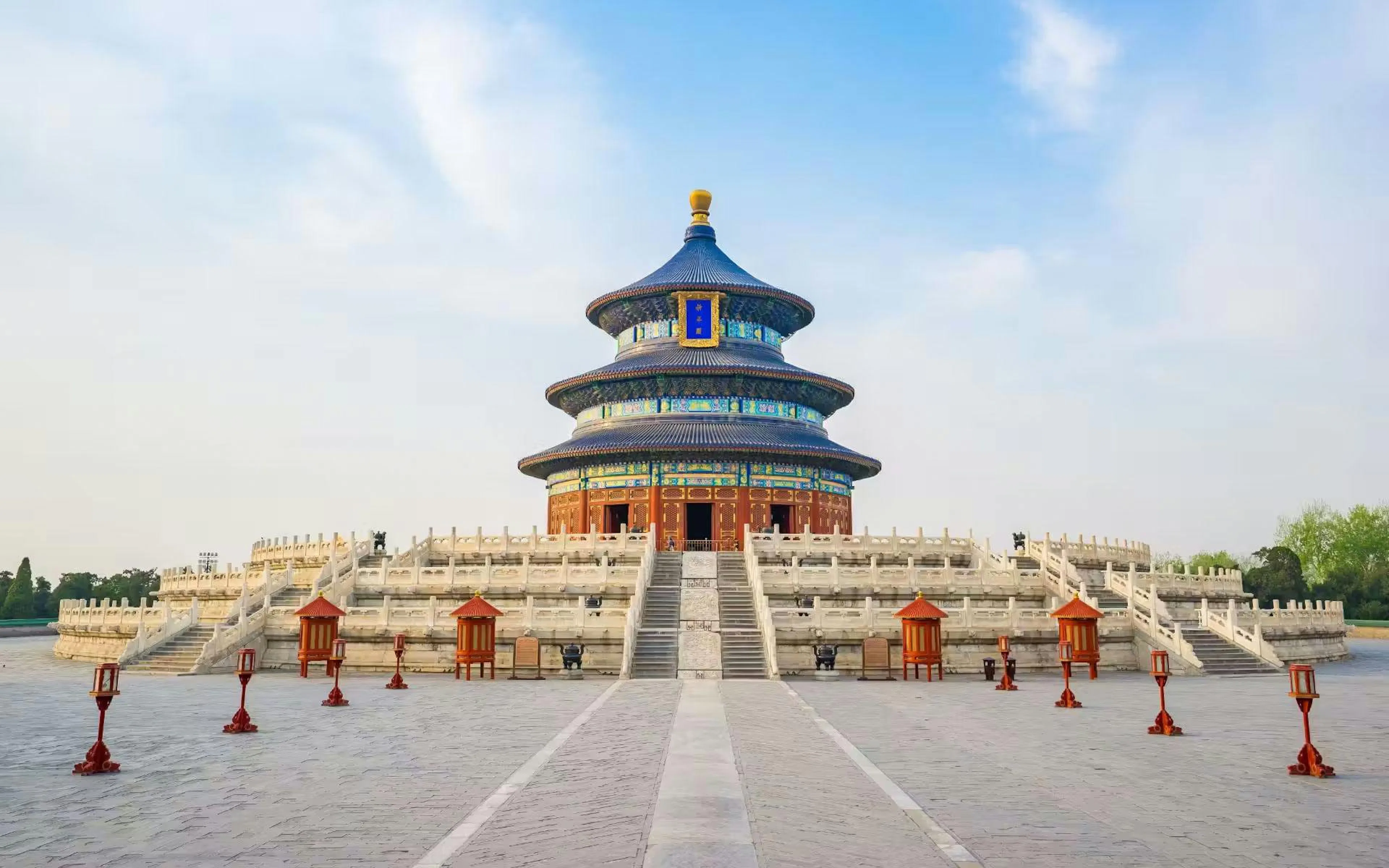
Explore one of China's most important UNESCO World Heritage Sites
Step inside the largest preserved imperial sacrificial complex in China, where Ming and Qing emperors performed elaborate ceremonies to pray for good harvests for over 500 years.
Admire extraordinary ancient architecture
Marvel at masterpieces such as the Hall of Prayer for Good Harvests, the Circular Mound Altar, and the Imperial Vault of Heaven, each designed with symbolic geometry, intricate craftsmanship, and remarkable engineering.
Discover the symbolism of imperial China
From the circular layout representing Heaven to the sacred numbers and architectural details woven throughout the complex, every structure reflects ancient Chinese philosophy and cosmology.
Experience authentic local Beijing life
Beyond its historic monuments, the Temple of Heaven Park is one of Beijing's favourite gathering places, where locals practice tai chi, dance, sing, play traditional instruments, and socialize each morning.
Explore at your own pace
Self-guided tickets let you discover the park's grand ceremonial buildings, tranquil gardens, and centuries-old cypress groves on a flexible schedule. Upgrade your visit with a multilingual audio guide for richer historical insights.
Things you'll see at the Temple of Heaven
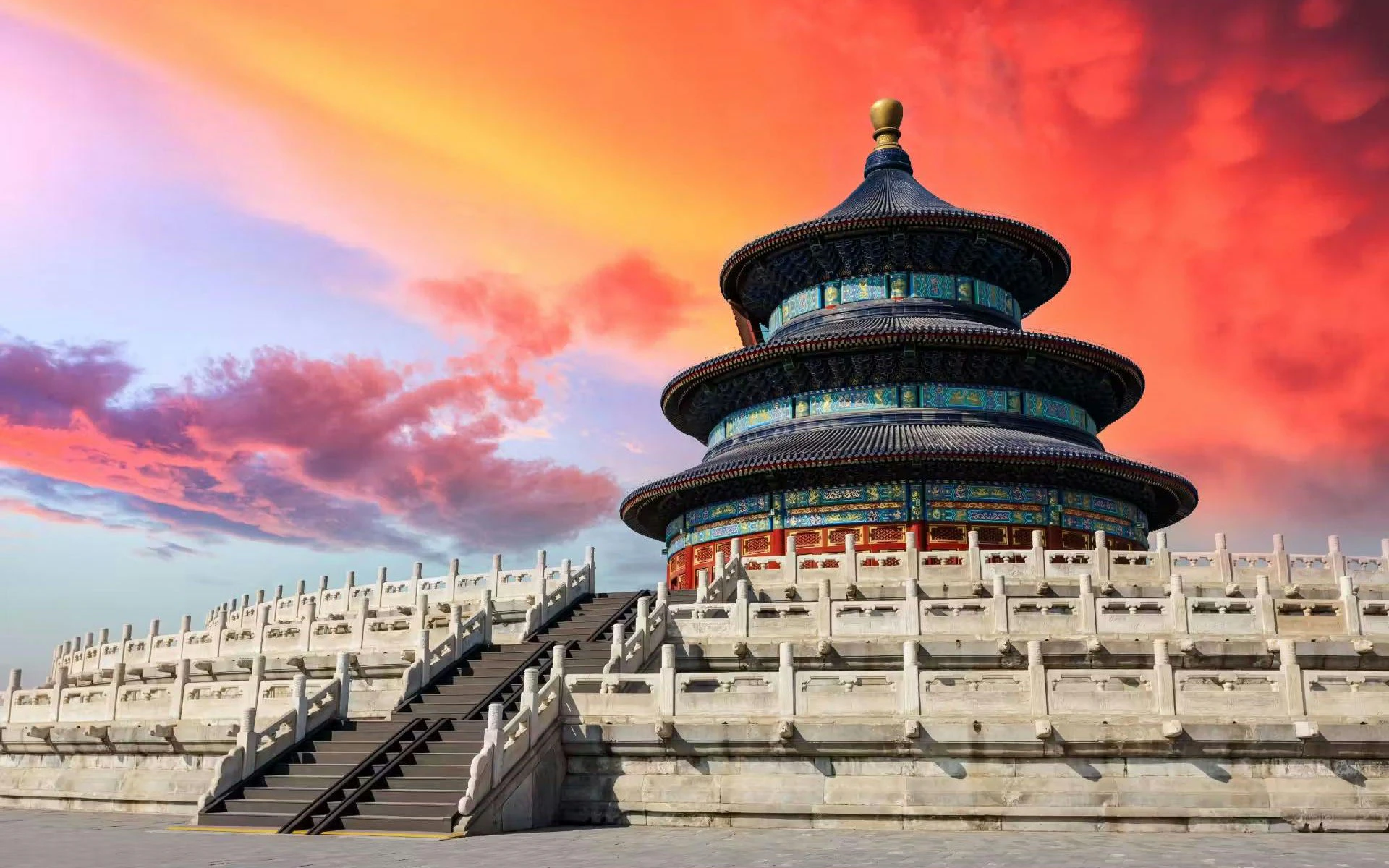
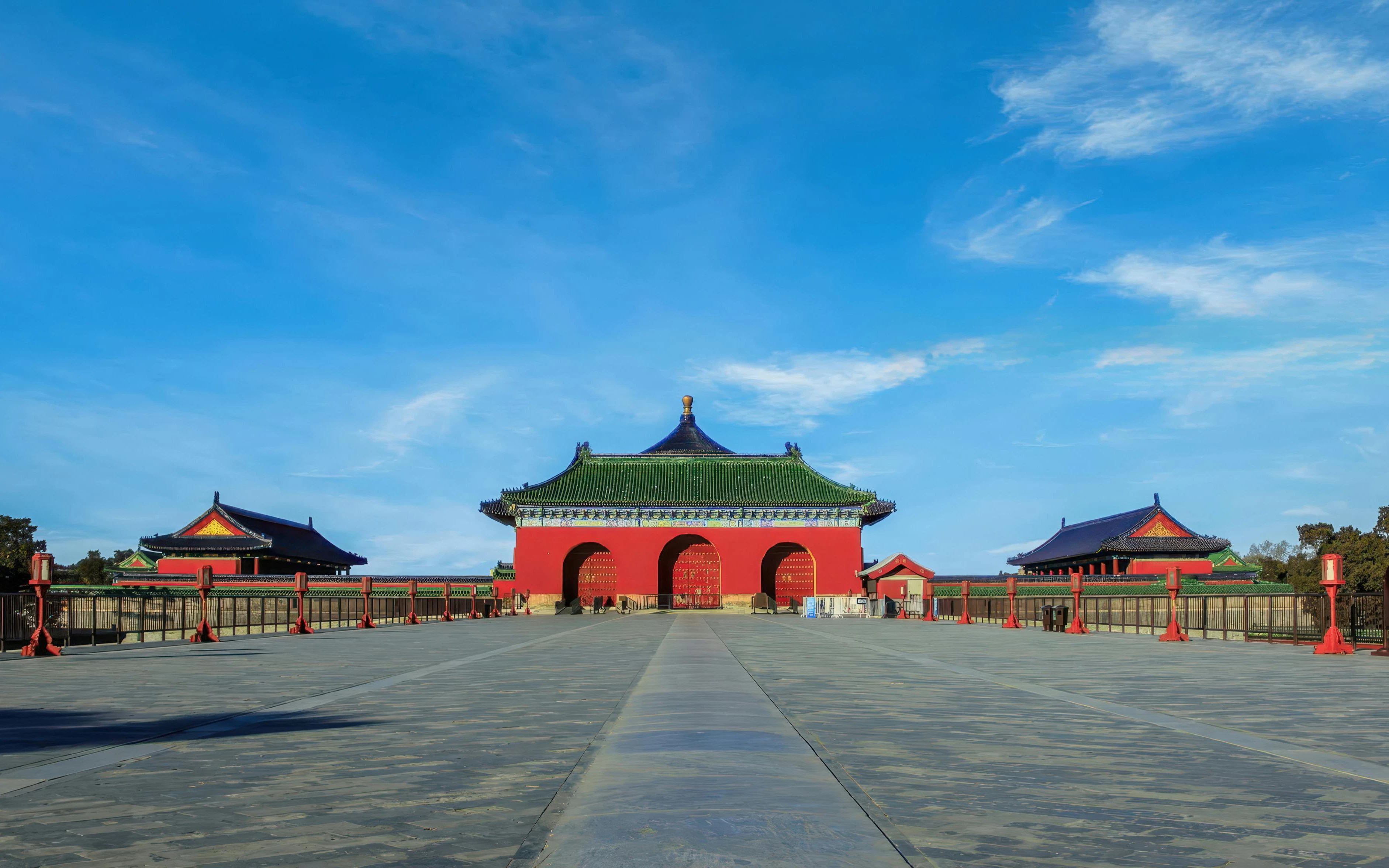
Hall of Prayer for Good Harvests
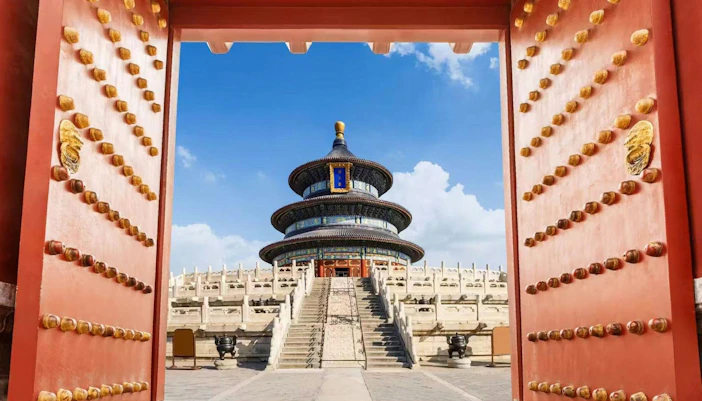
See one of China's finest examples of traditional timber architecture, famous for its elegant triple-gabled roof and symbolic design.
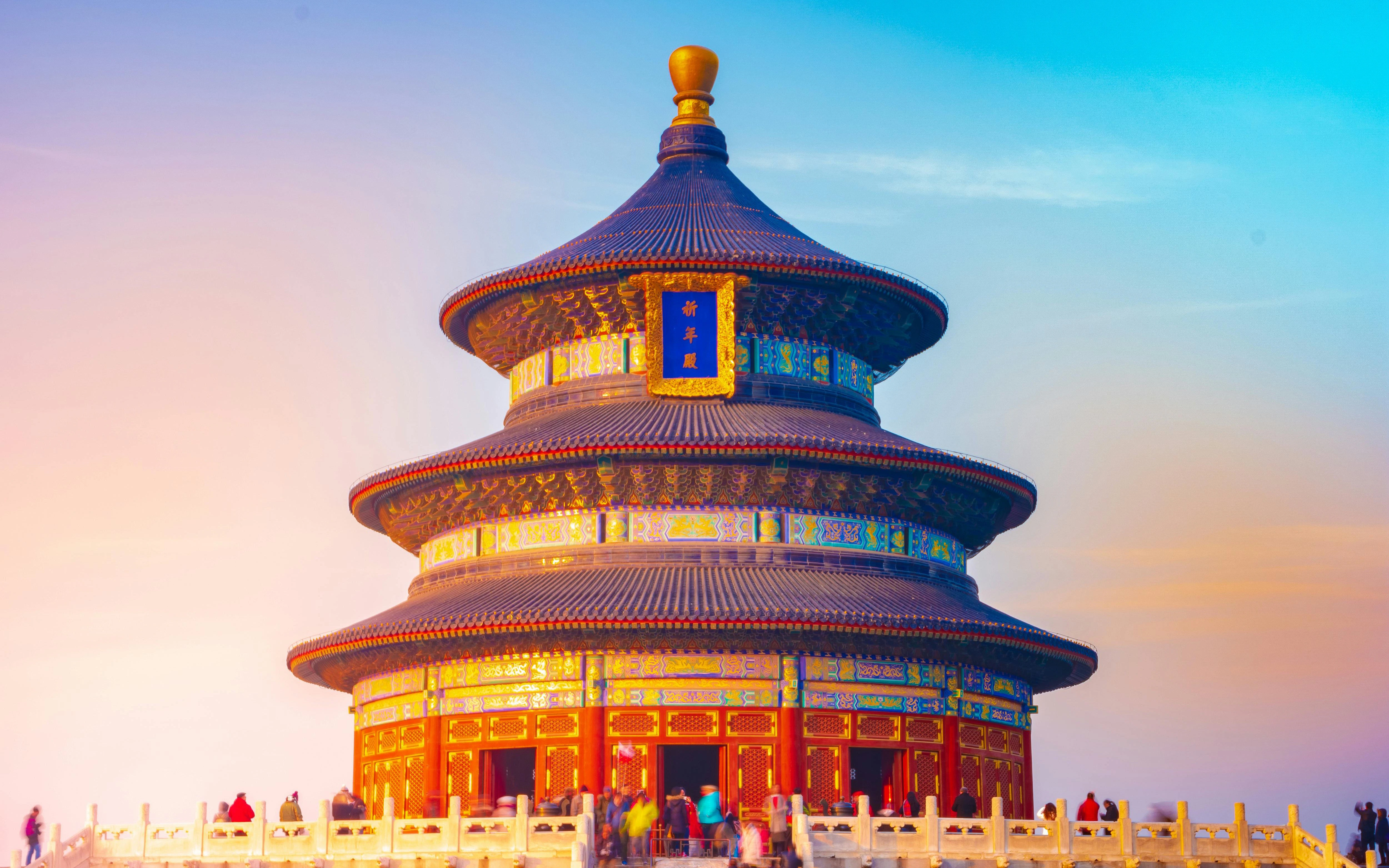
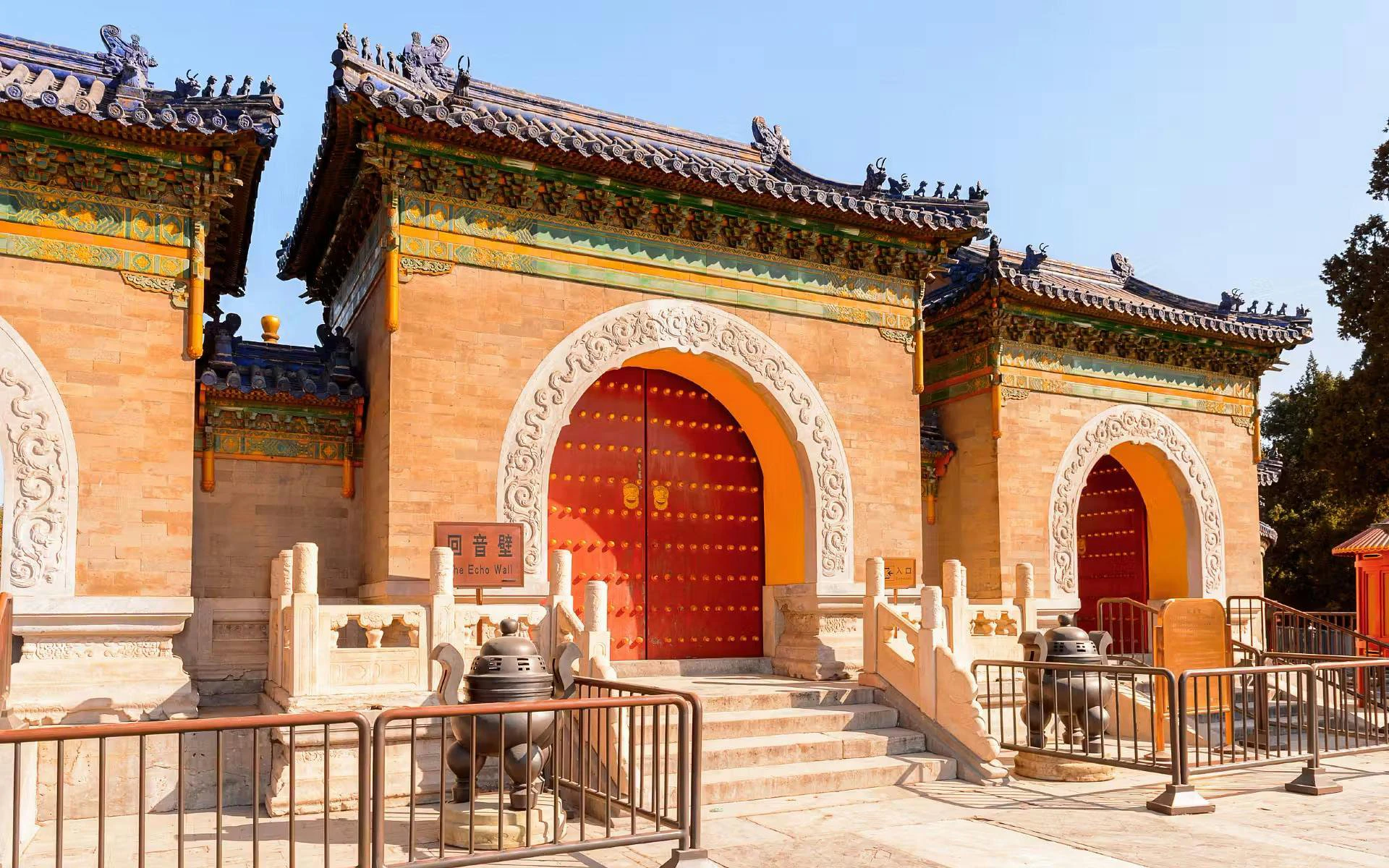
History of the Temple of Heaven
- 1406: Construction of the Temple of Heaven began during the reign of the Yongle Emperor of the Ming dynasty, the same emperor who commissioned the Forbidden City. The complex was conceived as a sacred site for imperial ceremonies honoring Heaven.
- 1420: The Temple of Heaven was completed as part of Beijing's new imperial capital. It became the official ceremonial venue where emperors prayed for good harvests, favourable weather, and the prosperity of the empire.
- Ming Dynasty (1368–1644): Ming emperors performed elaborate annual rituals at the Temple of Heaven, reinforcing their role as the "Son of Heaven" and the intermediary between Heaven and Earth. The complex was carefully planned according to ancient Chinese cosmology, with every building and pathway carrying symbolic meaning.
- Qing Dynasty (1644–1912): Qing emperors continued the centuries-old tradition of conducting state ceremonies, particularly during the winter solstice. These rituals were among the most significant events of the imperial calendar and symbolized the emperor's responsibility for ensuring harmony and abundant harvests across the empire.
- 1912: With the fall of the Qing dynasty and the end of imperial rule, the Temple of Heaven ceased functioning as an imperial ceremonial site.
- 1918: The Temple of Heaven was opened to the public as a park, transforming from an exclusive imperial sanctuary into one of Beijing's most cherished public spaces.
- 1998: UNESCO inscribed the Temple of Heaven as a World Cultural Heritage Site, recognizing it as the world's largest and most complete surviving complex of ancient imperial sacrificial architecture and an outstanding masterpiece of landscape design and symbolism.
- Today: The Temple of Heaven is one of Beijing's most visited landmarks, attracting millions of visitors each year. Alongside its historic monuments, it remains a lively urban park where locals gather daily for tai chi, dancing, music, calligraphy, and other traditional cultural activities.
Temple of Heaven Architecture
The Temple of Heaven is one of the finest examples of traditional Chinese architecture, where every structure reflects ancient beliefs about the relationship between Heaven, Earth, and humanity. Its buildings use symbolic shapes, colours, numbers, and ingenious engineering to express imperial philosophy and religious traditions.
- Hall of Prayer for Good Harvests: The Temple's most iconic landmark, this circular timber hall was built entirely without nails and rises nearly 38 metres high. Its blue-tiled roof symbolizes Heaven, while the interior pillars represent the four seasons, twelve months, and twelve traditional Chinese hours.
- Circular Mound Altar: This three-tiered white marble altar was the site of imperial winter solstice ceremonies. Designed around the auspicious number nine, its circular layout represents Heaven, while its centre stone is renowned for its unique echo effect.
- Imperial Vault of Heaven: This elegant circular hall once housed the ceremonial tablets used during imperial rituals. Its design mirrors the Hall of Prayer for Good Harvests and is surrounded by the famous Echo Wall.
- Echo Wall: The Echo Wall is a remarkable example of ancient acoustic engineering, allowing sound to travel clearly around its circular brick enclosure. Nearby, the Dialogue Stone and Triple-Sound Stone further showcase the site's sophisticated architectural design.
- Danbi Bridge: Stretching about 360 metres, the Danbi Bridge connects the Temple's main ceremonial buildings. The elevated pathway symbolized the emperor's journey from Earth towards Heaven during sacred processions.
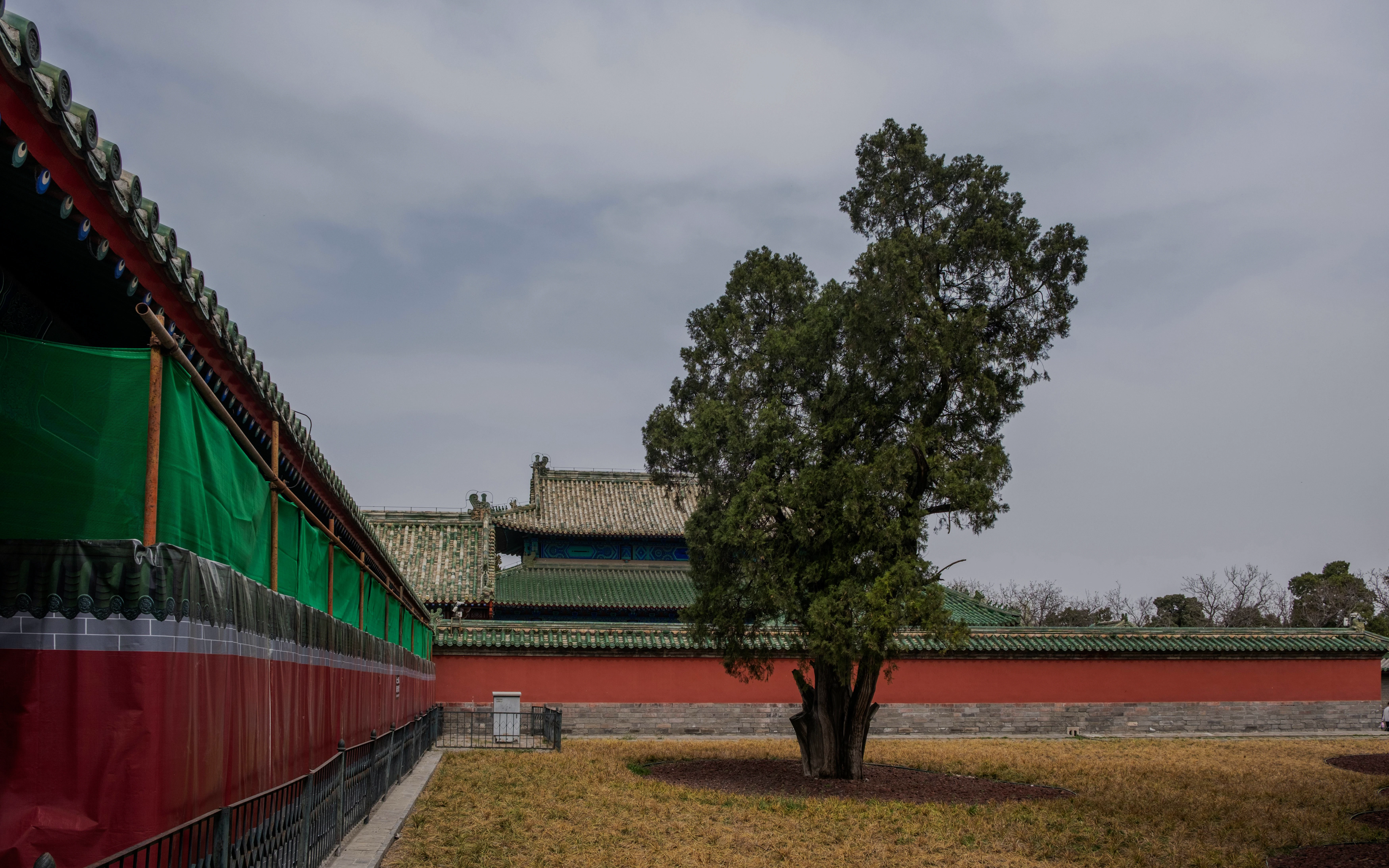
- Ancient Cypress Forest: Surrounding the ceremonial complex are centuries-old cypress trees, symbolizing longevity and spiritual purity. Today, these peaceful groves provide a scenic setting where visitors and locals gather to relax and enjoy traditional cultural activities.
Symbolism throughout the Temple
The Temple of Heaven was designed as a physical representation of ancient Chinese beliefs about the universe.
- Circular buildings symbolize Heaven, while square bases and courtyards represent Earth, reflecting the ancient belief that "Heaven is round and Earth is square."
- The number nine, traditionally associated with the emperor, appears repeatedly throughout the architecture in staircases, marble slabs, balustrades, and altar design.
- Blue roof tiles symbolize the sky and distinguish the Temple from imperial palaces, which typically feature yellow roofs reserved for the emperor.
- Sophisticated timber joinery techniques allowed major structures such as the Hall of Prayer for Good Harvests to be built without nails, ensuring both flexibility and durability.
- Ingenious acoustic engineering, particularly at the Echo Wall and Circular Mound Altar, demonstrates the remarkable scientific knowledge incorporated into Ming dynasty architecture.
Together, these architectural elements transform the Temple of Heaven from a collection of historic buildings into a carefully designed symbolic landscape, where every detail reinforces the relationship between Heaven, Earth, and imperial authority.
Frequently asked questions about the Temple of Heaven
Visitors can explore the Hall of Prayer for Good Harvests, Circular Mound Altar, Imperial Vault of Heaven, Echo Wall, ancient cypress gardens, and other ceremonial structures throughout the park.
The Temple of Heaven is a self-guided attraction. Visitors can choose standard entry or upgrade their ticket with access to additional attractions and a multilingual audio guide.
Most visitors spend 2–3 hours exploring the main monuments, while those using an audio guide or enjoying the park may wish to allow 3–4 hours.
Yes. The spacious park, historic architecture, and open walking paths make it a great destination for visitors of all ages.
Yes. The Temple of Heaven is designed for self-guided exploration, and an optional multilingual audio guide is available for visitors who want additional historical context.
It is the world's largest surviving imperial sacrificial complex and one of China's finest examples of Ming and Qing dynasty ceremonial architecture.
Yes. Small cafés, snack vendors, and refreshment kiosks are available within and around the park.
Most park pathways are accessible, although some historic monuments have stair access and elevated platforms.
The Temple of Heaven offers visitor information, restrooms, souvenir shops, cafés, seating areas, and accessible pathways throughout most of the park.
Yes. Personal photography is generally permitted throughout the park unless otherwise indicated within specific heritage areas.
Read More
Timings
Plan Your Visit